Buzzing About Lanternfly Honey
Chances are, you’ve seen them around – the stickers, magnets, and fliers sporting “This Biz Battles the Bug” or “Beat the Bug” slogans plastered next to identifying photos of the infamous spotted lanternfly. For years, the spotted lanternfly infestation raged through the United States, damaging trees and crops. But what if farmers found a way to utilize spotted lanternflies to create something extraordinary?
The spotted lanternfly poses many threats to Pennsylvania’s ecosystems and agriculture. After they were first spotted here in 2014, ag experts kindly asked that all residents help slow the spread by killing as many lanternflies as possible. Lanternflies feed on and kill numerous species of trees and crops, including cucumber and grapevines, causing devastation for various farmers throughout the state and beyond. Spotted lanternflies also excrete “honeydew,” a sugary liquid that attracts sooty mold, which smothers plants and inhibits photosynthesis. However, there appears to be a silver lining. Honeybees and other insects use this honeydew as a major food source.
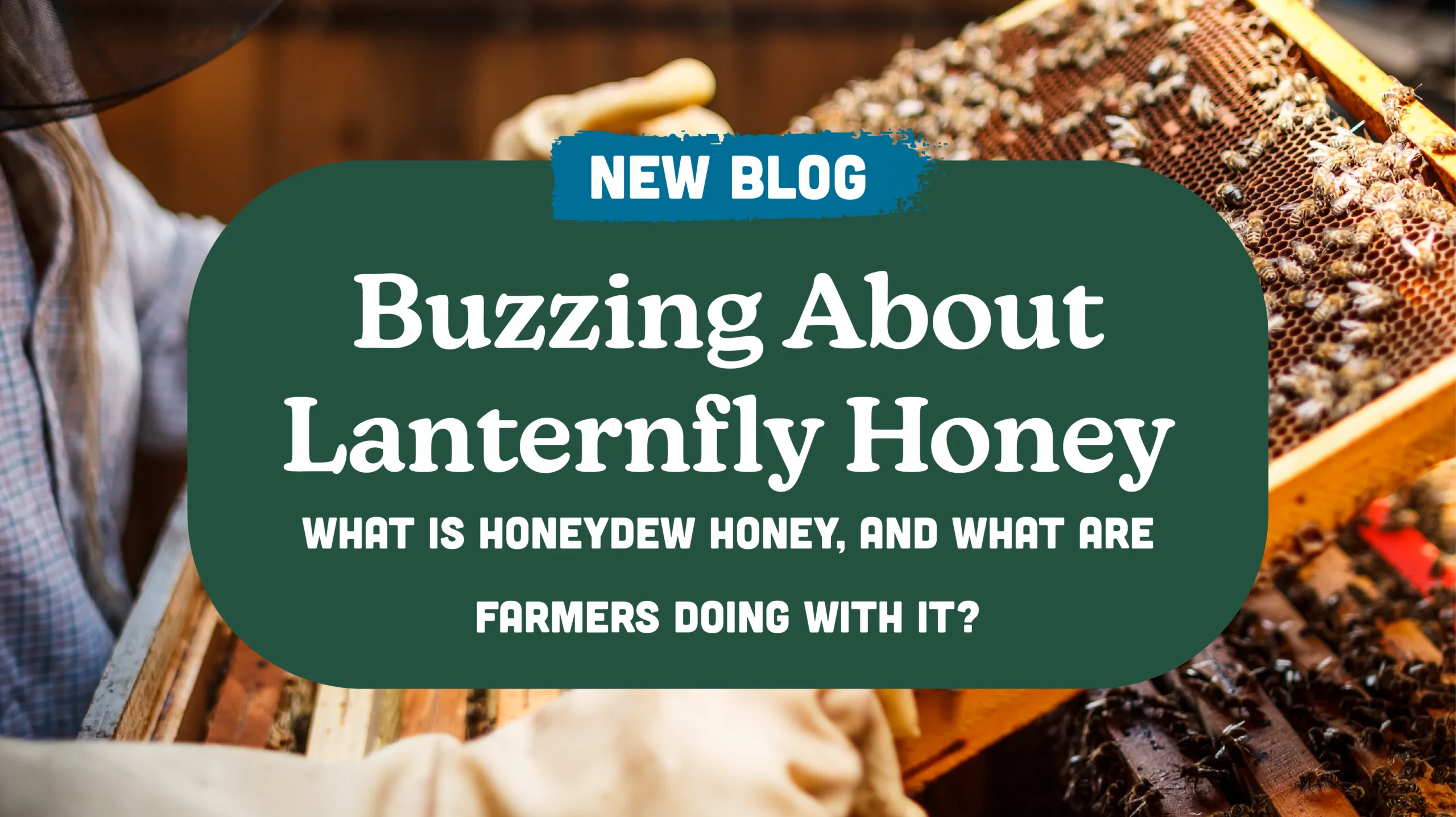
After harvesting late-season, unusually dark-colored honey, farmers began scratching their heads. What was this new creation, and was it safe to eat? After numerous lab tests, farmers had the answers they were looking for. Honeybees were feeding on honeydew, producing a new kind of honey – “honeydew honey.” Tests illustrated that not only is this honey safe for human consumption, but it’s also medicinal grade, even outperforming manuka honey. Honeydew honey is often described as an “acquired taste,” as its rich, smoky, medicinal properties are not the most palatable. However, its properties inhibit the growth of bacteria such as MRSA and E. coli, making it ideal for healing injuries. Now, beekeepers everywhere are selling their honeydew honey at markets, making the most of their lanternfly infestations. Plus, with a new source of food available later in the year, honeybees can extend honey production. They can now feed on honeydew from July through October, rather than relying solely on nectar, which is more limited.
The discovery of honeydew honey is a testament to the impressive adaptability of Pennsylvania’s farmers, researchers, and ecosystems. As agriculture continues to grow and evolve, our farmers work hard to grow and evolve with their trade. From beekeeping to crop-growing, agriculture in all its forms makes Lancaster what it is, shaping our landscapes, economy, and heritage. When we save farmland, we save space for our farmers and ecosystems to work, learn, and thrive. To learn more about honeydew honey and agricultural research, check out the resources below! To learn more about honeybees and agriculture, click here!
References:
https://www.wesa.fm/environment-energy/2023-10-15/spotted-lanternflies-honey
https://academic.oup.com/ee/article-abstract/52/5/888/7254515?login=false
https://extension.psu.edu/spotted-lanternflies-and-beekeeping
https://ipm.ucanr.edu/home-and-landscape/sooty-mold/pest-notes/#gsc.tab=0