Farmers Answer: Sheep Edition
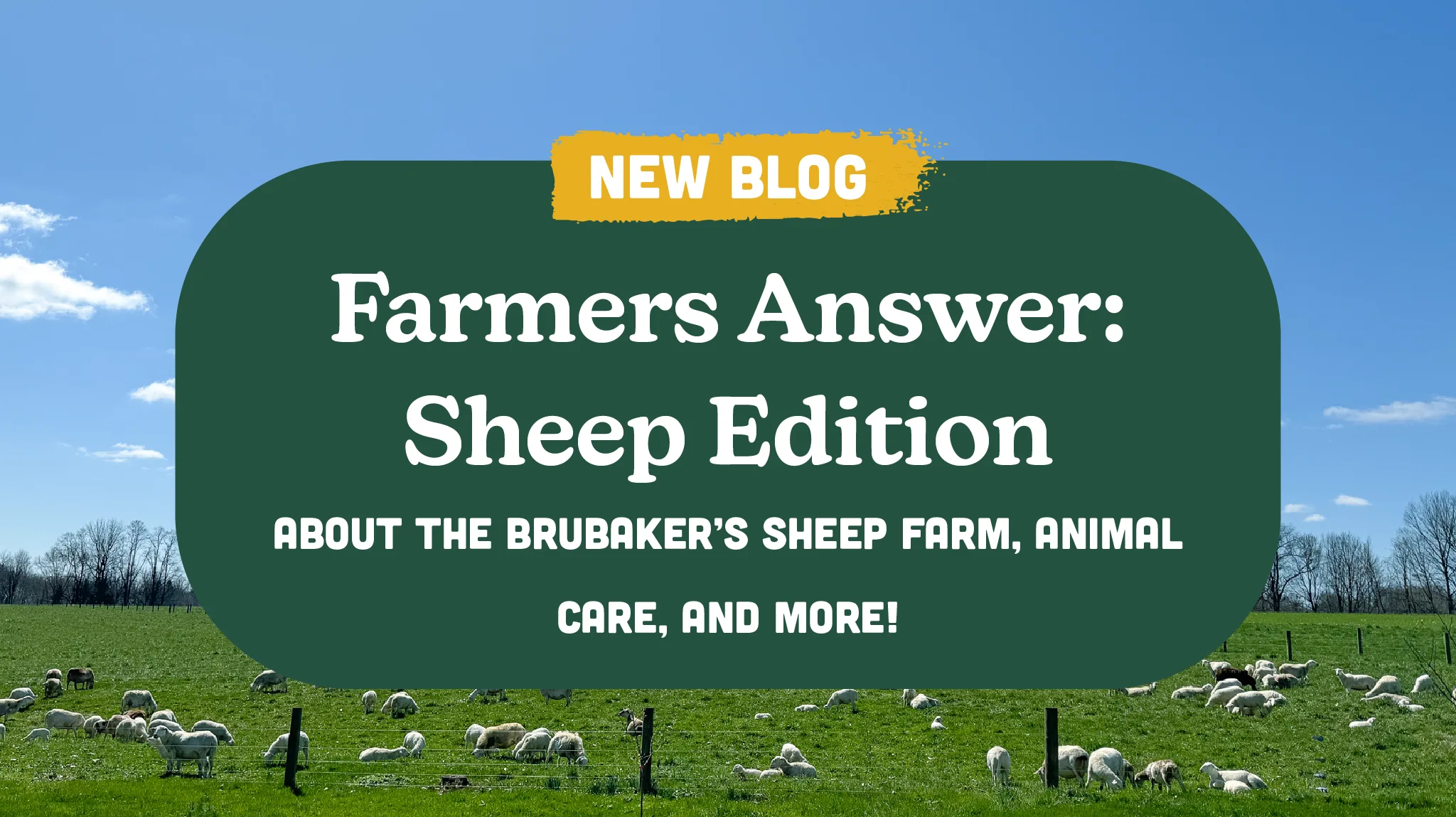
Michelle Brubaker began her journey at LFT as Land Protection Associate in 2025. However, her journey in agriculture began years ago, after she and her family moved onto her father-in-law’s sheep farm – an unexpected twist in her story for Michelle. Once reluctant to get involved with agriculture, Michelle is now an avid advocate for farming, coining herself a “lamb doula.” Today, we’re sharing some of Michelle’s answers to our most-asked questions about sheep farming!
What is the background of the farm?
The Brubaker Farm is a multigenerational farm that Mr. Brubaker’s grandfather purchased in the 1950s. Michelle’s husband always wanted to live on the farm, though she never imagined it would come into fruition.
“I grew up in northern York County in a wooded area and never really had the desire to live on a farm,” Michelle notes.
In 2018, the Brubakers moved onto the farm after talk of selling began. Together, the Brubakers decided to take over the farm to keep it in the family. They built a house there, where they live today.
“We preserved the farm in 2020. The idea of helping the world in a way was really nice — we’re protecting the earth. I consider myself a caretaker, and that’s a big reason why I’ve grown to love agriculture,” says Michelle.
How did the Brubakers begin raising sheep?
One of the best ways to get started in agriculture is to work with a seasoned farmer. For the Brubakers, Michelle’s father-in-law had raised sheep for years. So, when they decided they’d like to take over the farm, their in-house sheep specialist was ready to teach them the ropes. While Michelle and her husband had been exposed to sheep farming before, they spent 3-4 years completing their training before fully taking over the farm.
“We learned from my father-in-law until we felt confident running things ourselves.”
How many sheep do you have? What kind are they?
“Currently, we have 60 ewes and 2 rams. We’re actually scaling back a bit to maximize our barn space,” says Michelle.
The Brubakers raise a mix of Katahdin, Royal White, and Dorper sheep. These breeds are hair sheep, which means no shearing is necessary.
What does daily care look like for sheep?
“It depends on the season,” says Michelle. From springtime through the fall, the Brubakers utilize a rotational grazing system for their sheep. This means that every day the sheep are moved from one pasture to another.
“This involves taking down our fencing and putting it back up again every day. We also move their water and minerals every day.”
While tedious, rotational grazing is great for the soil, as it allows pastures time to reset and regrow between feeding times. The Brubakers opt for a 45-day rotational cycle to reduce erosion and increase carbon sequestration on their farm. Alongside the rotational grazing, the Brubakers are sure to do daily wellness checks for all of their sheep, monitoring for any signs of potential illness or stress.
During the wintertime, the sheep are moved into the barn to keep them warm. The Brubakers feed them twice a day and provide hay bales for them. If any of their sheep are pregnant, they often give birth in a comfortable stall in the barn, where Michelle and her husband can monitor mom and baby for any health defects.
“During lambing season, I watch for signs of difficulty and step in if needed. I like to call myself a ‘lamb doula,” Michelle jokes.
What’s your favorite part of farming?
For Michelle, caretaking is one of her favorite things to do. So, caring for the sheep is her favorite part of the job. She loves to make them happy, care for them when they’re sick, and watch over the newborns in the winter! While farming can certainly be a difficult job, being a “lamb doula” does have its perks.
What advice would you give to someone wanting to start farming?
“If you’re watching TikToks thinking you may want to farm, I suggest you volunteer on a farm or get involved with a farm before making an investment. Be sure you understand that having animals is a job.”
A misconception about farming with animals is that it’s an easy job. And while many farmers love what they do, they are constantly learning, fixing, and caring for things – even on weekends! These are certainly things to consider if you’re interested in agriculture.
From caring for sheep to protecting the land, Michelle and her family work hard to ensure healthy farmland is available to future generations of farmers.
Farmland preservation isn’t just about protecting open space! It’s about protecting livelihoods, healthy land, and prime soil. It allows farmers like Michelle to continue caring for their animals, stewarding the land, and contributing to a strong agricultural community. To learn more about preservation, click here! To keep up with the happenings on Michelle’s sheep farm, follow us on social media!